
Room to Bloom
The Freedom Of Our Chosen Families and Permission to Evolve

We are big on Family Connection at Connective Parenting, but family comes in lots of different shapes, sizes, and constellations. Like any garden, variety often makes it stronger, more resistant to pests, and more diversely beautiful.
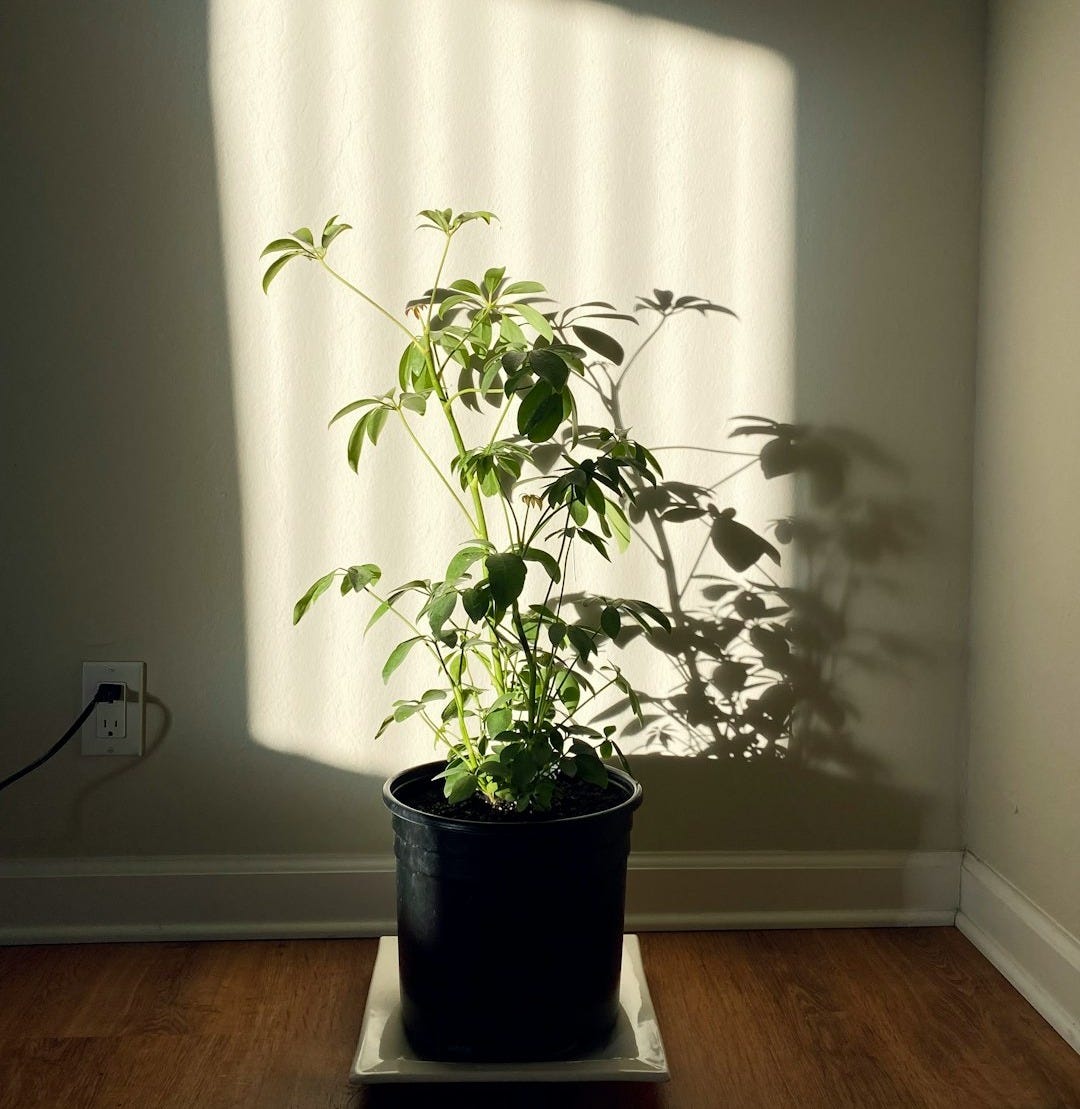
However, have you ever seen a plant growing in the wrong pot or in soil that is just a little too dry?
It’s a strange thing to witness. The plant isn’t dead — it’s surviving. But something feels off. The roots are cramped. The growth is stunted in ways that are hard to pinpoint. The leaves reach toward the light, but there’s only so far they can go when the container won’t allow it.
And the most heartbreaking part? The plant doesn’t know any different. It just keeps trying to grow in the space it was given.
Some of us spend a very long time being this plant, not knowing that there are lots of gardens out there with different light, water, and soil.

We don’t choose the families we’re born into.
We arrive, and the container is already there, already shaped and labeled. And with it comes a role. Maybe you were the responsible one. The funny one. The peacekeeper. The problem child. The one who held everyone together, or the one everyone worried about.
Whatever the role, it was assigned before you were old enough to audition for it.
And here’s what no one tells you about those roles: they are remarkably hard to outgrow. You can move across the country. Choose to have a family of your own and build an entirely different life. But sit down at a holiday gathering, and within twenty minutes, you are eleven years old again — playing out the same dynamics, the same scripts, and the same unspoken agendas as always. Most of it isn’t intentional, some of it might be, but it plays out the same way year after year.
Most of us feel, and are, loved in our families of origin. Many of those families love us deeply and genuinely. But love and acceptance are two different things, and sometimes the distance between them spans the width of a canyon.
Intentionally or not, our families carry generational baggage, inherited lore, and deferred potential that gets quietly placed on younger shoulders. They have a vision of who we were, who we are, who we should be, and what our lives should look like. They have their own wounds, their own needs, and their own dynamics that were in motion long before we arrived. And unconsciously — but sometimes very consciously — they ask us to serve those dynamics. To stay legible to them. To fit. To keep the world making sense in the way it always has.
That is a difficult container in which to truly grow and bloom.

Chosen family is different.
Not because those people are perfect — they aren’t — but because the relationship begins differently. It begins with you as you actually are, not you as someone’s child, sibling, or designated fixer. There is no history to manage, no role to maintain, no agenda you were born into.
There are just two people, or a group of people, who looked at each other and said: I choose this and I choose you in it.
That choice changes everything.
I love my family of origin. They are wonderful people with whom I share a lifetime of experiences. But I also have people in my life who know me entirely outside of any inherited context. They didn’t meet the version of me shaped by family expectations or childhood survival strategies. They met the person I was actively becoming. And because of that, they reflect something my family of origin has always struggled to offer: the person I actually am, not the person they needed me to be and still hold onto.
With my chosen family, I have been able to try on new versions of myself without the weight of contradicting an old story. I’ve been vulnerable without worrying that it would be weaponized in the next argument. I’ve celebrated wins without having to navigate someone else’s complicated feelings about them. And I have shared hard moments without worrying about how the other person would receive it.
And what a gift that is.
I have, quite simply, had room to bloom.
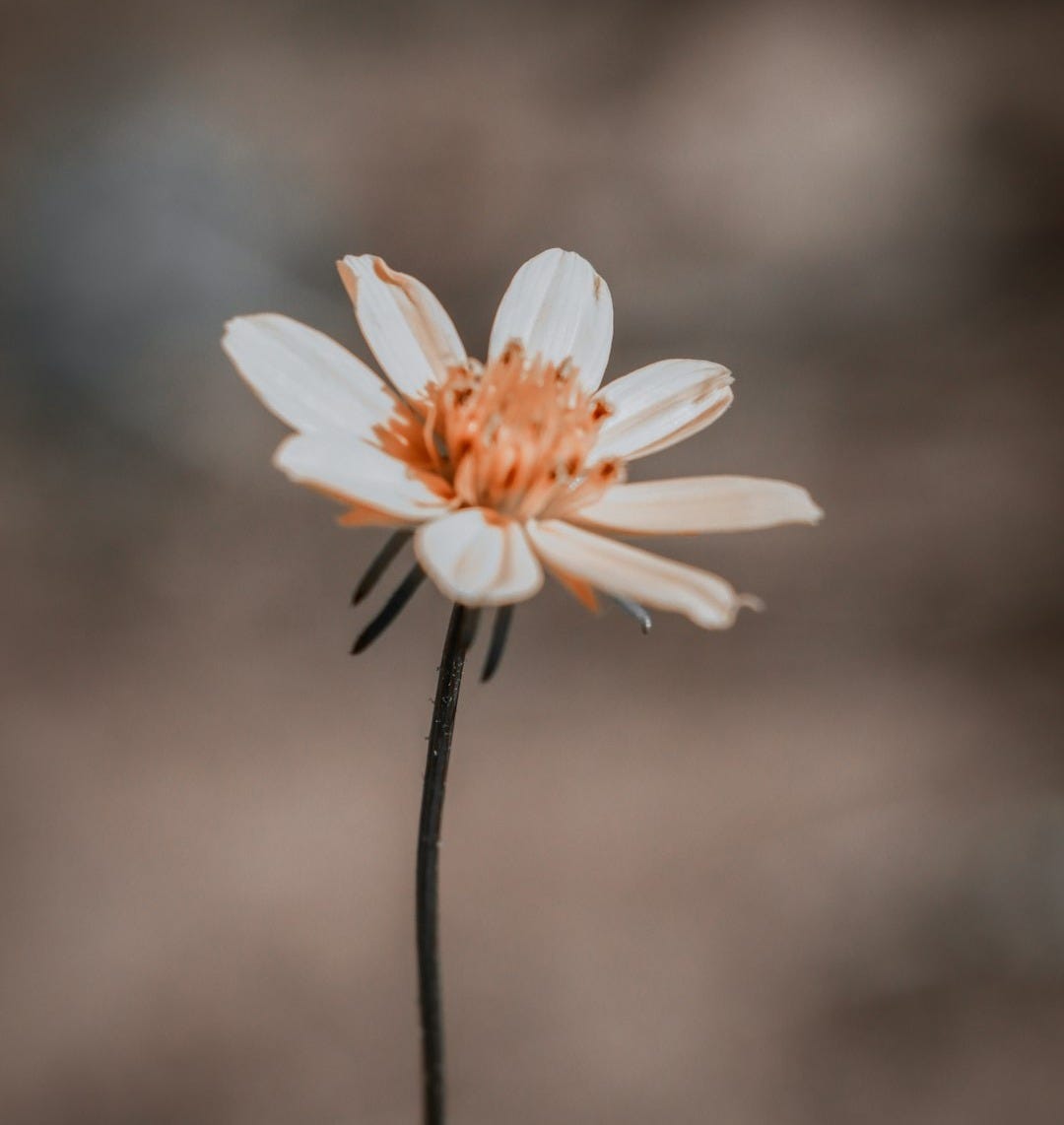
There’s a concept in botany called transplant shock. That is the stress a plant experiences when it’s moved from one environment to another. For a while, things may look worse before they look better. The roots have to reestablish themselves. The plant has to learn its new soil. The old garden has a hole where the plant used to be.
Building a chosen family can feel like that, too.
Letting new people in after years of navigating complicated ones. Feeling guilty about the hole you leave behind. Possibly, unlearning the idea that love comes with conditions and that closeness comes with a cost. Learning — really learning — that you are worth choosing freely.
That adjustment asks something of us in return. It takes courage, patience, and a willingness to sit with the discomfort of becoming.
But on the other side of it?
Growth that surprises you. Blooms you didn’t know you were capable of.

So here’s my invitation to you.
As spring turns into summer, and our children seek to reinvent themselves before the autumn chill. Look at the containers in your own life. Look honestly at which ones are helping you grow and which ones have quietly been keeping you small. And then, with intention, bravery, and patience, seek out and tend to the relationships where you have room. Even parents are allowed to grow, change, and evolve. Find those who want to see you grow into something expansive, just as we want to see in our children.
You are allowed to outgrow spaces that were never built to hold all of you.
Go ahead and bloom.